
Sound Artist
Bassoonist • Educator • Sound Artist • Social Worker
Midori is drawn to sound art composition to investigate collective trauma, self-healing, diasporic longing, and intergenerational memory. Her current project is an audio-visual album based on the lives and stories of her Filipino and Japanese immigrant ancestors.
You are invited to preview the album in progress at this digital open studio event. From October 19–23, 2026 click the image below to experience the album in its current form. It is best experienced on a desktop with headphones.
I would also love to hear from you: I hope you feel compelled to share any reflections, responses, or resonances you have to the album via the form at this link.
Conversations with the ancestors I never got to meet
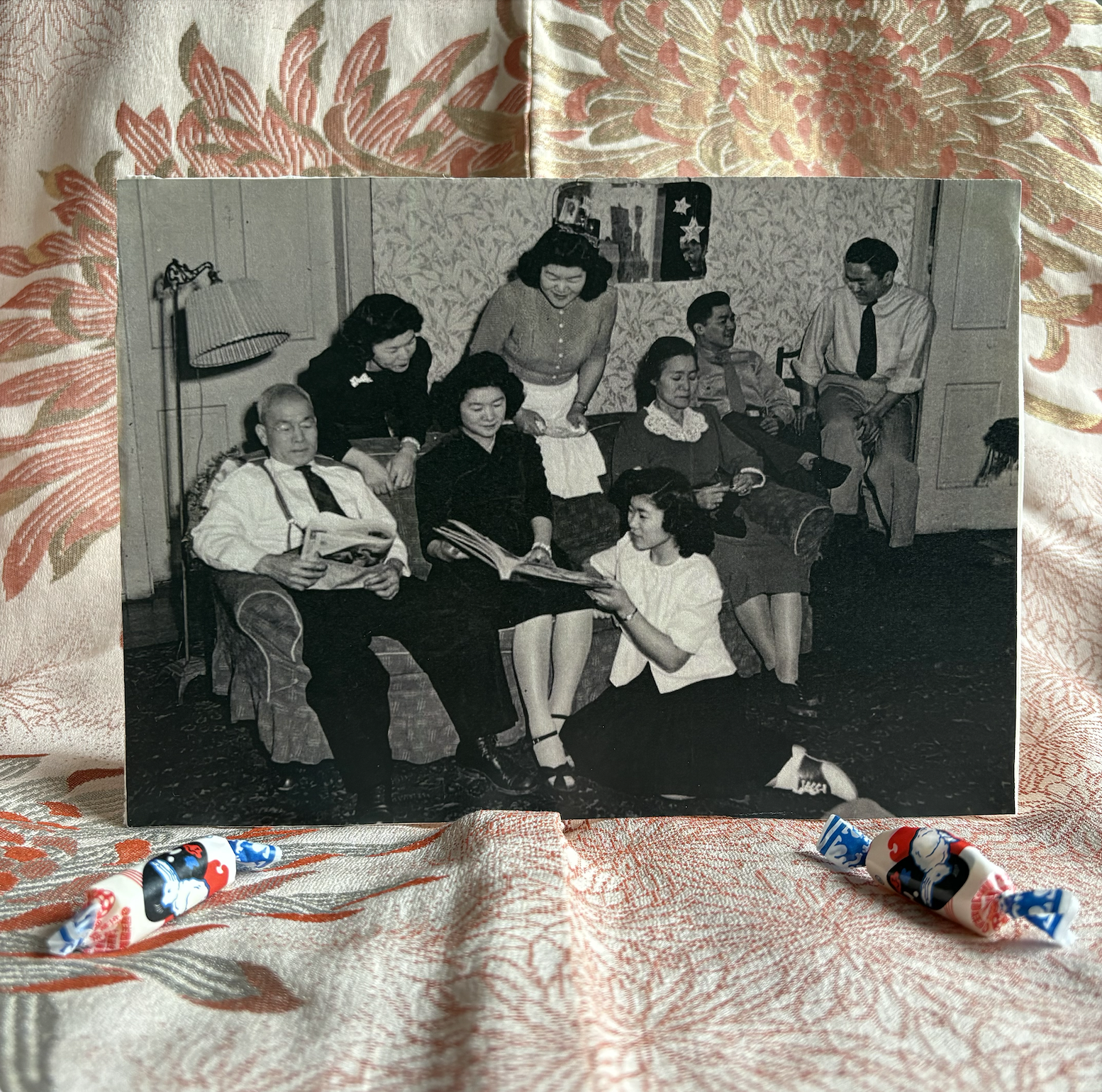
Midori’s sound art practice is rooted in her Asian American identity; familial themes of displacement, war, erasure, and assimilation define her work. This album draws from ongoing fieldwork at important ancestral sites: emigration points in Pangasinan and La Union, Philippines and Okayama, Japan; Heart Mountain Relocation Center and Tule Lake WWII incarceration camps; the atomic bomb hypocenters in Hiroshima and Nagasaki. She finds inspiration while gathering artifacts, studying archives, retracing ancestral paths, learning languages, engaging spiritual and funerary practices, and reclaiming cultural traditions disrupted by migration, war, and separation.
Her composition process involves sensory attunement to coincidences, environmental recording, improvisation, and the reconstruction of soundscapes that evoke pain and nostalgia. She draws on methodologies such as pilgrimage, deep listening, autoethnography, and speculative fiction, alongside musical techniques like distortion, repetition, and classical forms. Visual elements—multilingual poetry, altar construction, and photography—accompany her works.
Through this practice, Midori explores how music can serve as a tool for understanding trauma, cultural reclamation, and intergenerational healing. She invites audiences to reflect on how personal histories shape identity and interconnectedness.